
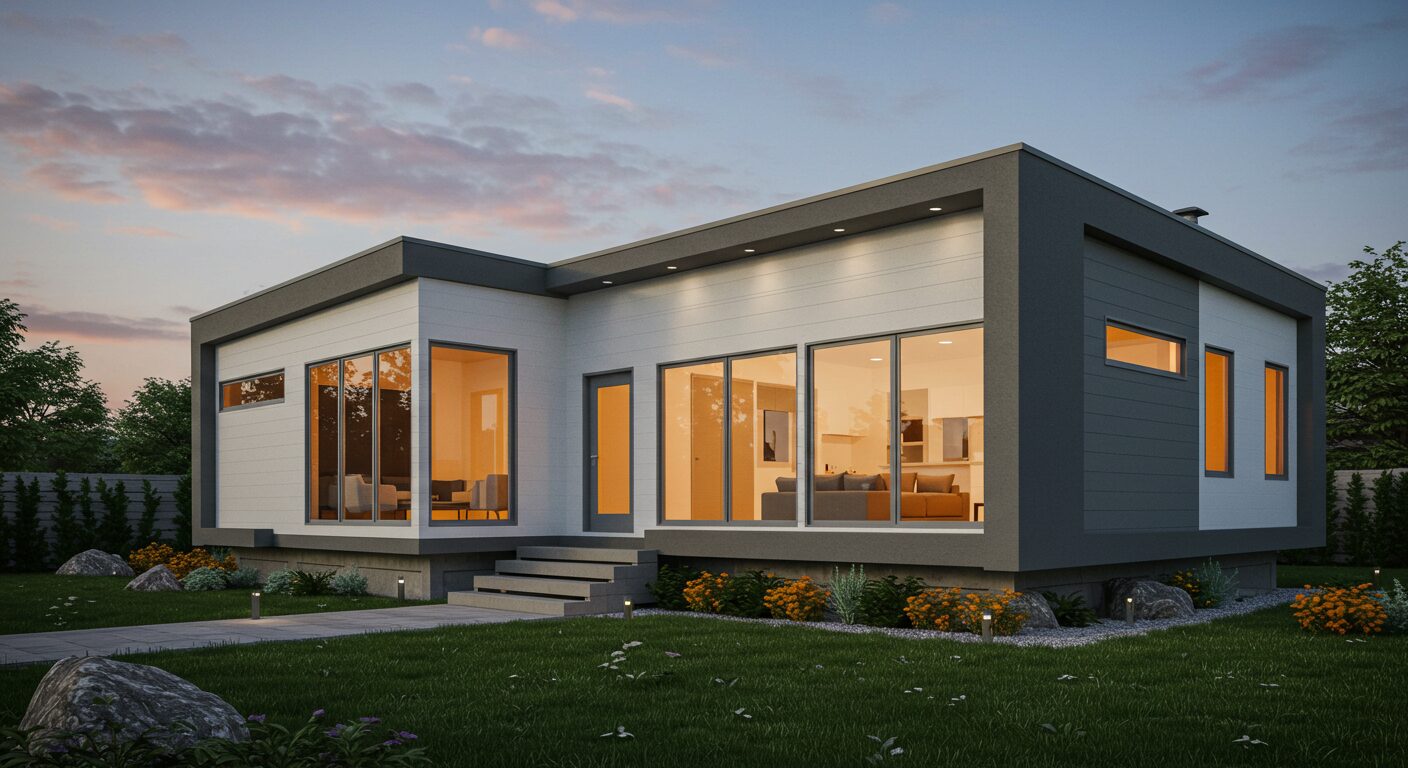
What Is a Modular Home? And Why Pakistan Needs Them Now
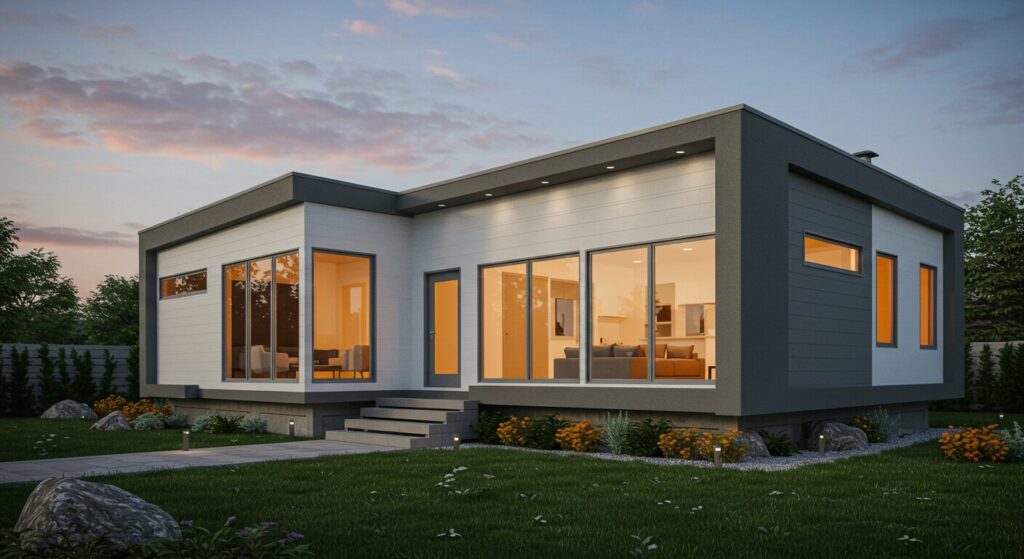
Imagine this: Your dream house was built outside the place in a clean, high-tech factory, delivered to your country, and gathered in a few days. No loud construction for months, no endless delays. Easy and intelligent, and modern life is easy.
It sounds like something from the future, but the modular house is already here and can maintain the Pakistani real estate market. With increased costs, limited space in metropolitan cities and increased demand for sustainability, modular living spaces provide quick, efficient, environmentally friendly and answers tailored to modern lifestyles.
What Exactly Is a Modular Home?
A modular home is a home installed in a section of the factory environment (as a modular). These modules, like giant 3D puzzles, are transported to their home country and assembled on-site.
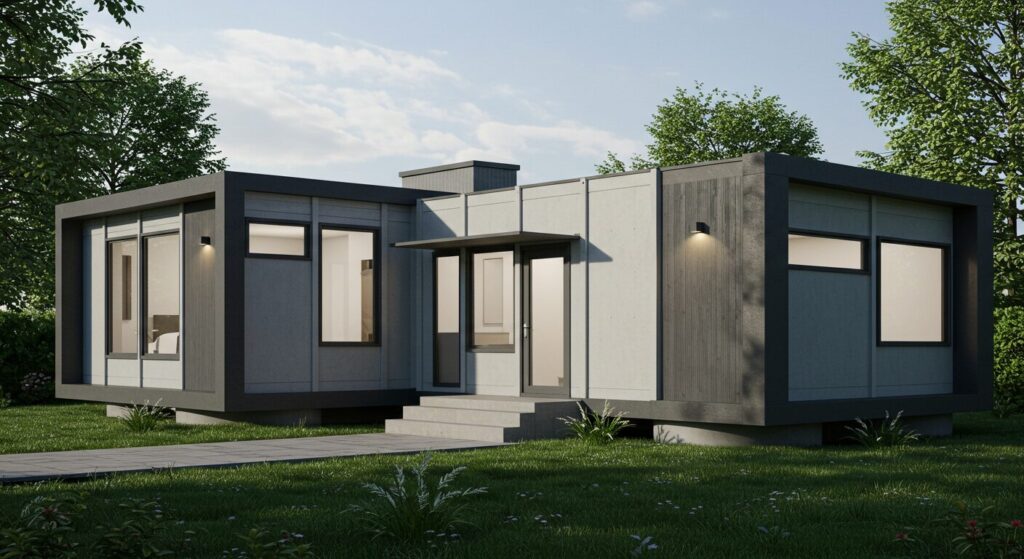
However, do not confuse it with temporary structures. Modular houses are permanent, customizable and durable to meet or exceed traditional building standards. They can look like everything from slim modern villas to cozy family homes and private business facilities.
What’s the biggest difference? How do they build and how much time, money and energy they save
Why Modular Homes Matter in Pakistan—Right Now
Pakistan’s cities are growing fast. Yet we’re struggling to keep up with the need for safe, affordable housing. Experts estimate a shortfall of over 10 million homes, and that number is rising each year.
Traditional construction is too slow and expensive to close this gap. It’s also resource-heavy, labor-intensive, and not always sustainable.
That’s where modular homes come in.
Here’s why they’re the smarter choice:
Speed: Some homes can be built and assembled in under a week.
Affordability: Building in factories means lower labor costs and less material waste.
Consistency: Factory environments allow for higher quality control and fewer mistakes.
Eco-Friendly: Modular homes use less water, less energy, and create less construction waste.
Design Flexibility: From minimal one-bedroom units to upscale multi-room layouts, you can fully customize your space.
Built for Pakistan’s Climate
One major advantage of modular construction? Climate adaptability.
Pakistan experiences extreme temperatures—from the scorching summers in Sindh to the harsh winters in Gilgit. Modular homes can be designed with insulated panels, solar-ready roofs, rainwater harvesting systems, and even passive cooling techniques like windcatchers—a centuries-old design still used in traditional architecture.
This blend of cutting-edge innovation and local wisdom makes modular homes not only comfortable—but incredibly smart.
Local Success: A Look at ModulusTech
One Pakistani company pioneering this space is ModulusTech, a startup based in Karachi.
Their modular homes cost around $3,000 (PKR 8–9 lac).
Each unit takes just 3 hours to assemble on-site.
In a pilot project, 19 homes were constructed in just 1 day.
These homes reduce carbon emissions by 50x compared to concrete structures.
Their work has earned global recognition, and it’s a strong sign that Pakistan is ready for scalable, modern housing solutions—especially for low-income families, climate refugees, and young professionals.
Who Can Benefit from Modular Homes in Pakistan?
Modular living isn’t just a budget option—it’s a lifestyle choice. It appeals to people who value efficiency, aesthetics, and eco-conscious design.
Here’s who’s embracing it:
Elite homeowners: Wanting fully customized villas with minimal hassle.
High-income urban families: Looking for sleek homes in gated communities.
Retirees and seniors: Downsizing into compact, low-maintenance spaces.
Entrepreneurs: Setting up modular co-working hubs or Airbnb-style units.
Private office owners: Needing quick, functional spaces that look premium.
Eco-conscious Pakistanis: Wanting to live lighter on the planet.
Modular vs. Traditional Construction: A Quick Comparison
When choosing between modular and traditional structures, the differences are clear and convincing. Modular houses are often built much faster within days or weeks, compared to the months (or a year) that takes to complete a traditional home. It also reduces 10% due to reduced labor costs and minimal waste. Both options allow for advanced adaptation, but modular houses are advantageous by offering this flexibility in a much shorter time.
One of the biggest advantages of modular houses is the low waste factor. Construction takes place in a controlled factory environment, resulting in less material waste and much more efficient use of resources. Furthermore, weather delays in traditional construction have been effectively eliminated. When it comes to sustainability, modular houses are generally more environmentally friendly with properties such as better insulation, energy-efficient systems, and solar integration developed directly into the build.
Quality control is another area where modular houses shine. They are built to strict factory standards and tend to be more consistent and structurally perfect, but traditional construction quality varies greatly depending on job skills and location conditions. All of these factors make modular configurations an intelligent and future-oriented choice for modern Pakistan life.
Common Myths About Modular Homes
🟠 “They’re just shipping containers.”Not true. Modular homes are custom-built to look and feel like real houses—with proper insulation, plumbing, electricity, and aesthetic finishes.
🟠 “They won’t last in Pakistan’s climate.”Wrong again. When designed properly, modular homes are actually more resistant to weather extremes and earthquakes due to better engineering and materials.
🟠 “They’re small and boxy.”Not anymore. Today’s modular homes range from stylish one-bedroom units to spacious multi-floor layouts. Some are even luxury-grade.
How Modular Homes Support Sustainability in Pakistan
Sustainability isn’t just a buzzword—it’s a survival strategy. With increasing pressure on our cities, land, and natural resources, modular housing offers a rare win-win.
🌱 Less waste: Precision manufacturing reduces leftover materials.
🔋 Lower energy bills: Smart insulation and solar integration reduce your carbon footprint.
🏞️ Minimal land disturbance: Faster setups reduce environmental impact on-site.
💧 Water efficiency: Optional systems for recycling greywater or collecting rainwater.
These homes help Pakistan take real steps toward environmental responsibility—without sacrificing comfort or design.
What to Expect in the Next 5 Years
As more Pakistanis explore smart, modern housing solutions, the modular market is poised for rapid growth. Industry experts predict:
Increased investment from local and international developers
Regulatory changes to support alternative building methods
Architect-led design models for higher-end modular homes
Broader accessibility to middle-class buyers
We’re already seeing startups partner with NGOs, housing authorities, and private landowners to bring these solutions to life.
Final Thoughts: Is Modular Living Right for You?
If you’re someone who values:
Efficiency and speed
Modern, clean design
Eco-conscious living
Long-term savings
Comfort with convenience
… then modular living might just be the future you’ve been waiting for.
Whether you’re planning your dream home, building a smart office, or just want to be part of a more sustainable Pakistan, modular homes offer something traditional methods simply can’t: control, flexibility, and vision.
And the best part? They’re already here—waiting to be built for you.
